STREAM 01 — POLYMER
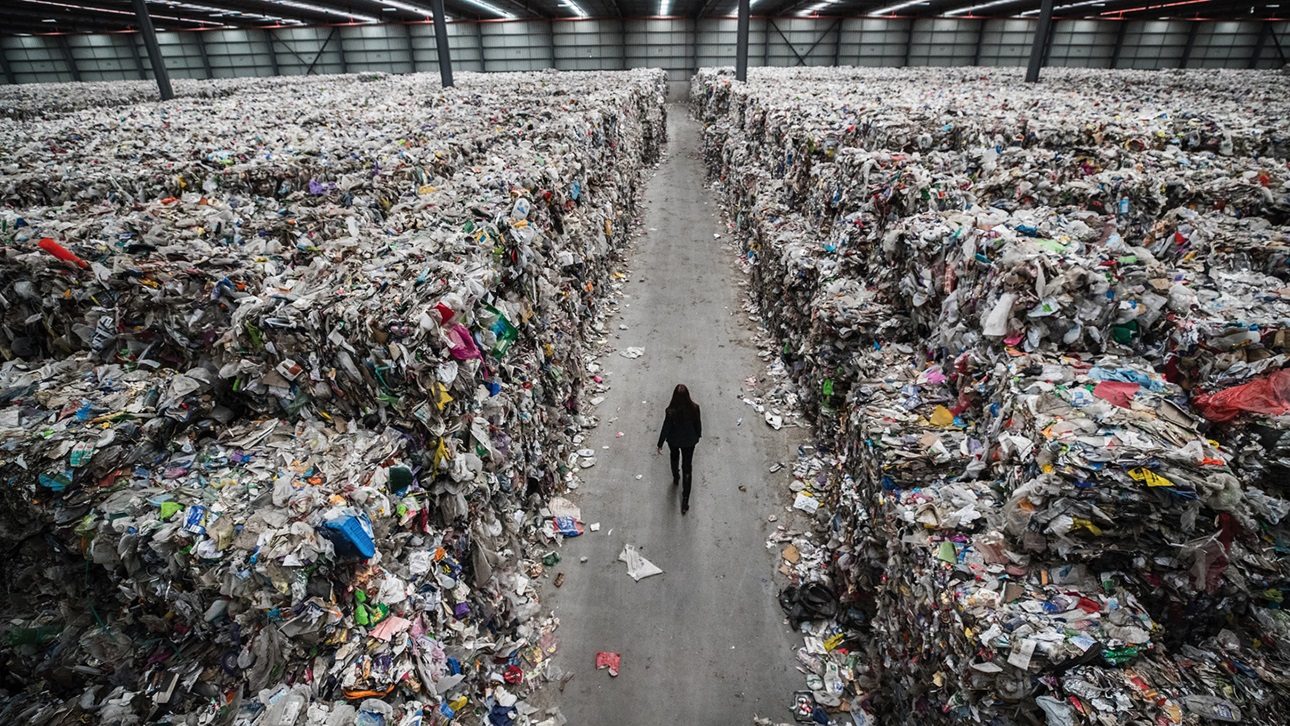
Recycled HDPE & PP
Post-industrial and post-consumer polymers diverted from landfill and incineration, processed into a consistent structural feedstock instead of new virgin plastic.
Composite Pallets
Engineered From
Recycled Waste
High-Performance Composite Pallets Built From Recycled Plastic And End-Of-Life Tire Rubber
 Duraflex.
The world buries billions of plastic units and over one billion scrap tires every year. At the same time, global supply chains burn through wood pallets that crack, splinter and demand constant replacement. Duraflex converts the first problem into the solution for the second.
Post-industrial and post-consumer polymers diverted from landfill and incineration, processed into a consistent structural feedstock instead of new virgin plastic.
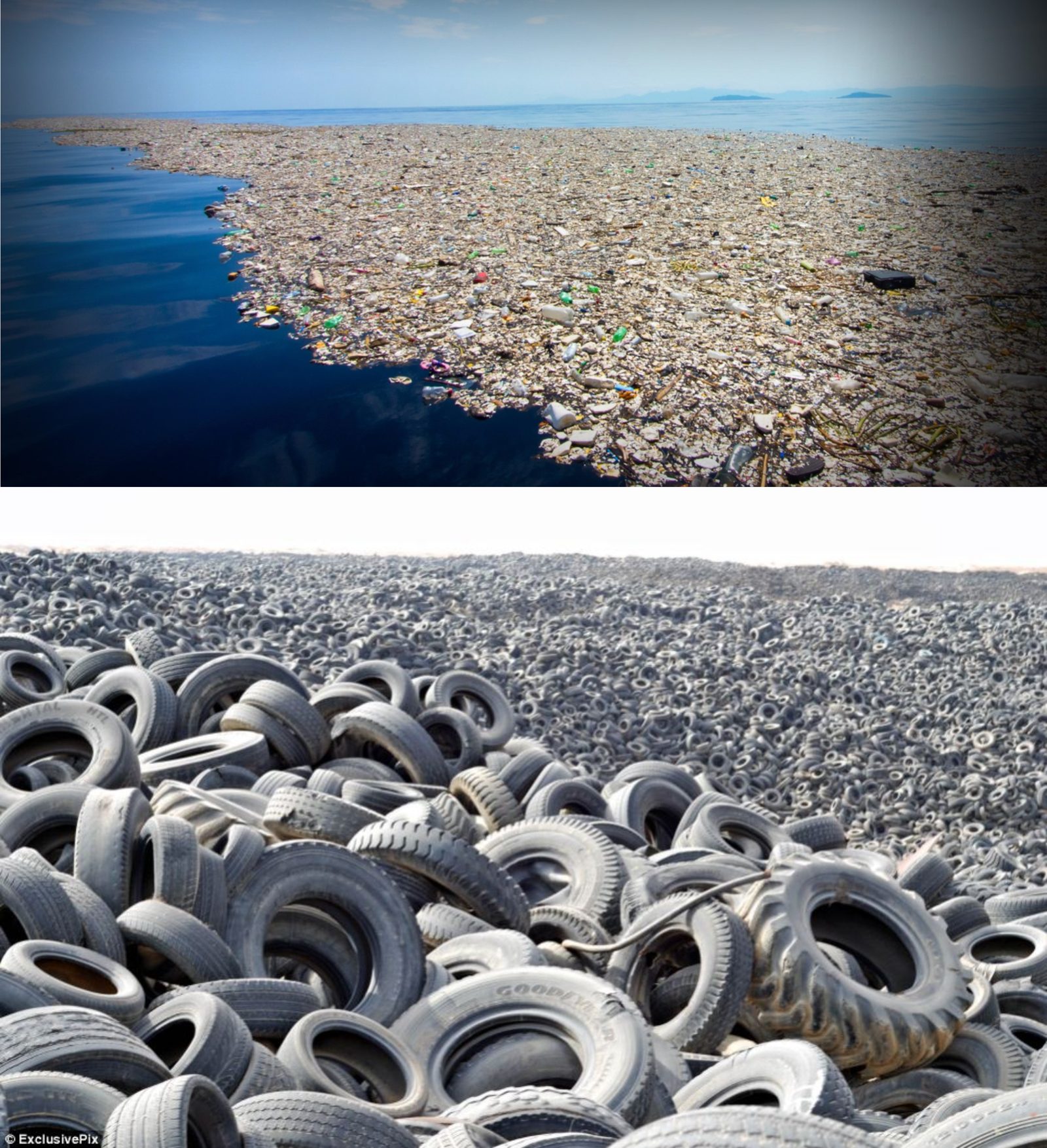
Crumb rubber reclaimed from discarded tires (0.15–0.6 mm) — an abundant, low-volatility waste stream that becomes the elastomeric reinforcement inside every pallet.
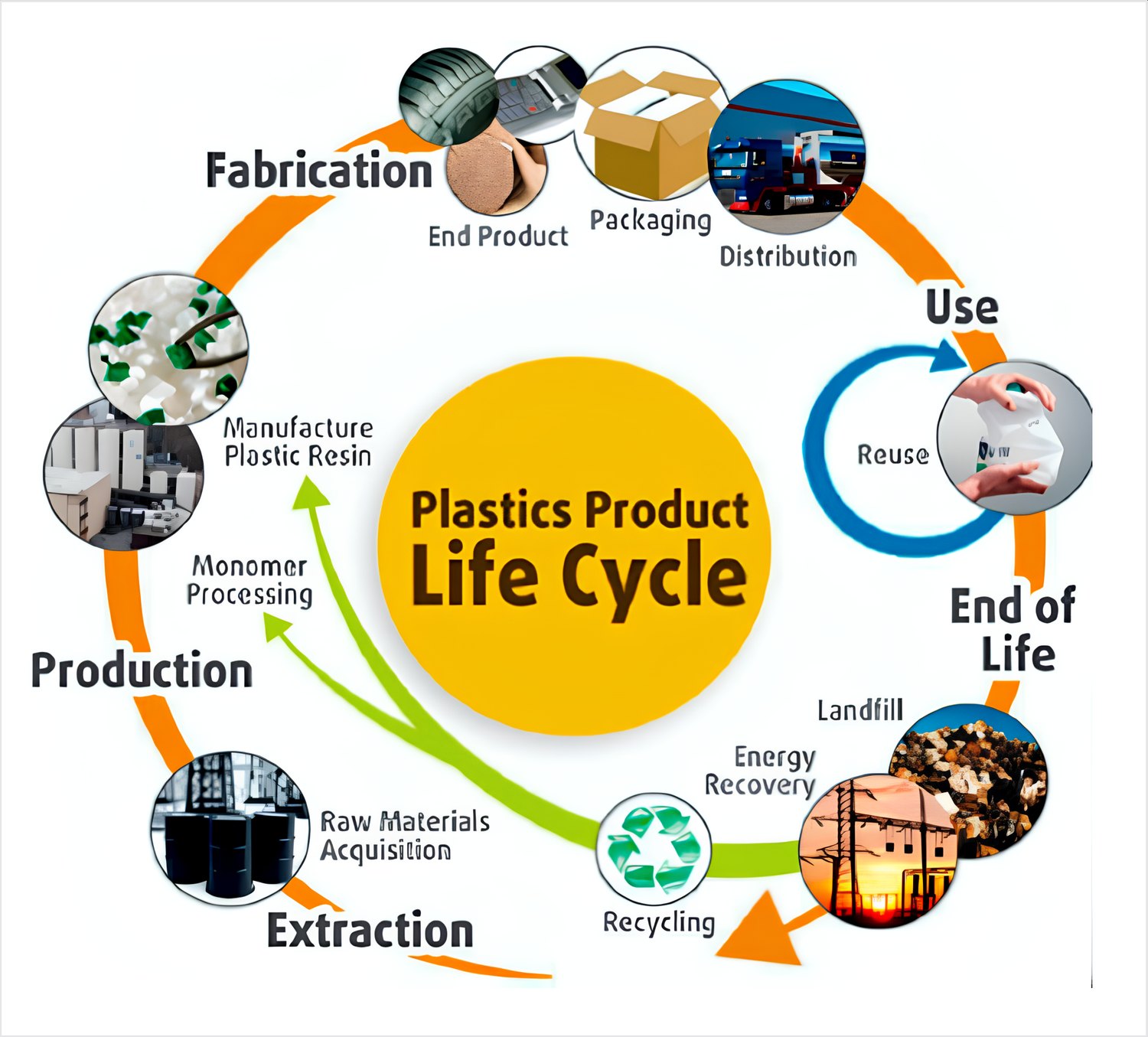
Extraction, production, use, end-of-life — then back again. Duraflex pallets are recyclable at end of life, feeding the same composite line that built them.
Waste polymer and scrap tire rubber are collected from diversified, contracted suppliers.
Controlled thermal mixing homogenizes the proprietary TPE composite to a tight spec.
High-tonnage injection molding forms structurally ribbed, dimensionally precise pallets.
At end of life, pallets are reground and returned to feedstock — no landfill, no incineration.
The innovation isn't recycling — it's material engineering. Blending crumb rubber into recycled HDPE/PP under optimized injection parameters yields mechanical behavior that pure recycled plastic can't match, and that competitors can't easily replicate.
An in-house thermoplastic-elastomer blend of recycled HDPE/PP and calibrated crumb rubber. Continuous optimization and vertical quality control create a technical barrier to entry.

Elastomeric reinforcement absorbs dynamic stress and reduces the brittleness and fatigue cracking that plague recycled-only pallets.
No splinters, no nails, no moisture absorption. Durable rotations lower total cost of ownership and replacement frequency.
Dimensional precision and structural integrity engineered for conveyor systems, automated racking and export compliance.
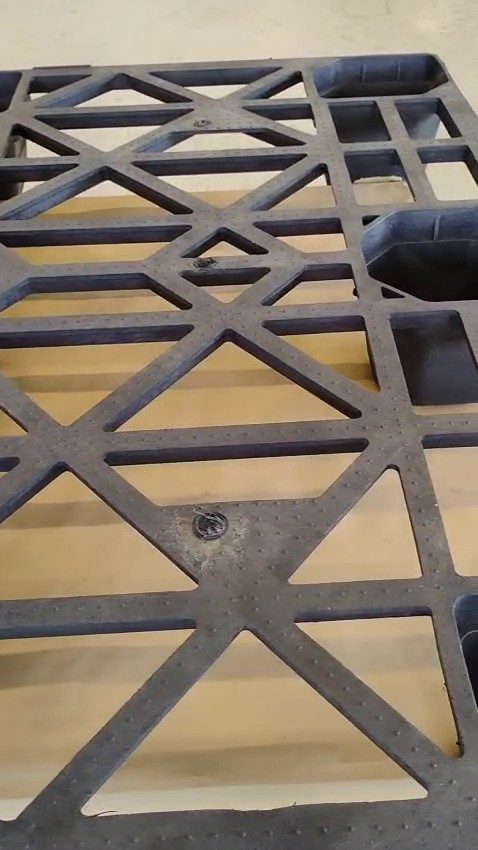
Formulation, compounding and molding run under one roof, validated by an in-house testing laboratory before any pallet ships.
Four controlled stages on mature, proven injection-molding technology — low execution risk, high operating leverage.
Plastic feedstock processing, rubber crumb calibration (0.15–0.6 mm) and additive blending.
Controlled thermal mixing, material homogenization and continuous consistency monitoring.
High-pressure molding into industrial molds with structural rib reinforcement and dimensional control.
Automated cooling cycle, structural inspection and quality-assurance testing before dispatch.
High-tonnage injection systems on a modular, multi-shift production line. The model is replicable: add molds, add lines, or replicate the plant near new logistics hubs and recycling suppliers.
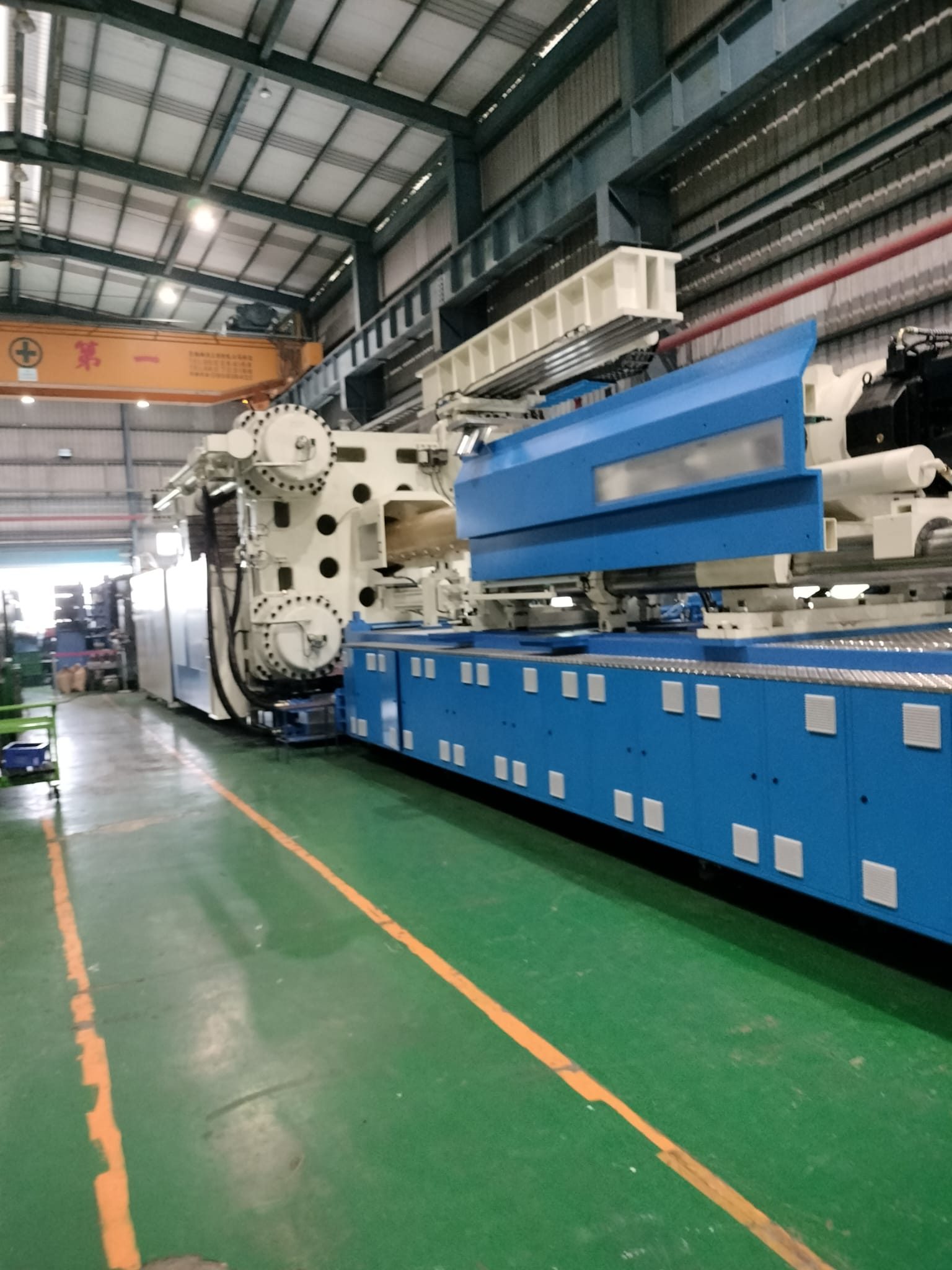 UNIT / LINE-01
HIGH-TONNAGE INJECTION LINE
UNIT / LINE-01
HIGH-TONNAGE INJECTION LINE
units / year, multi-shift capable
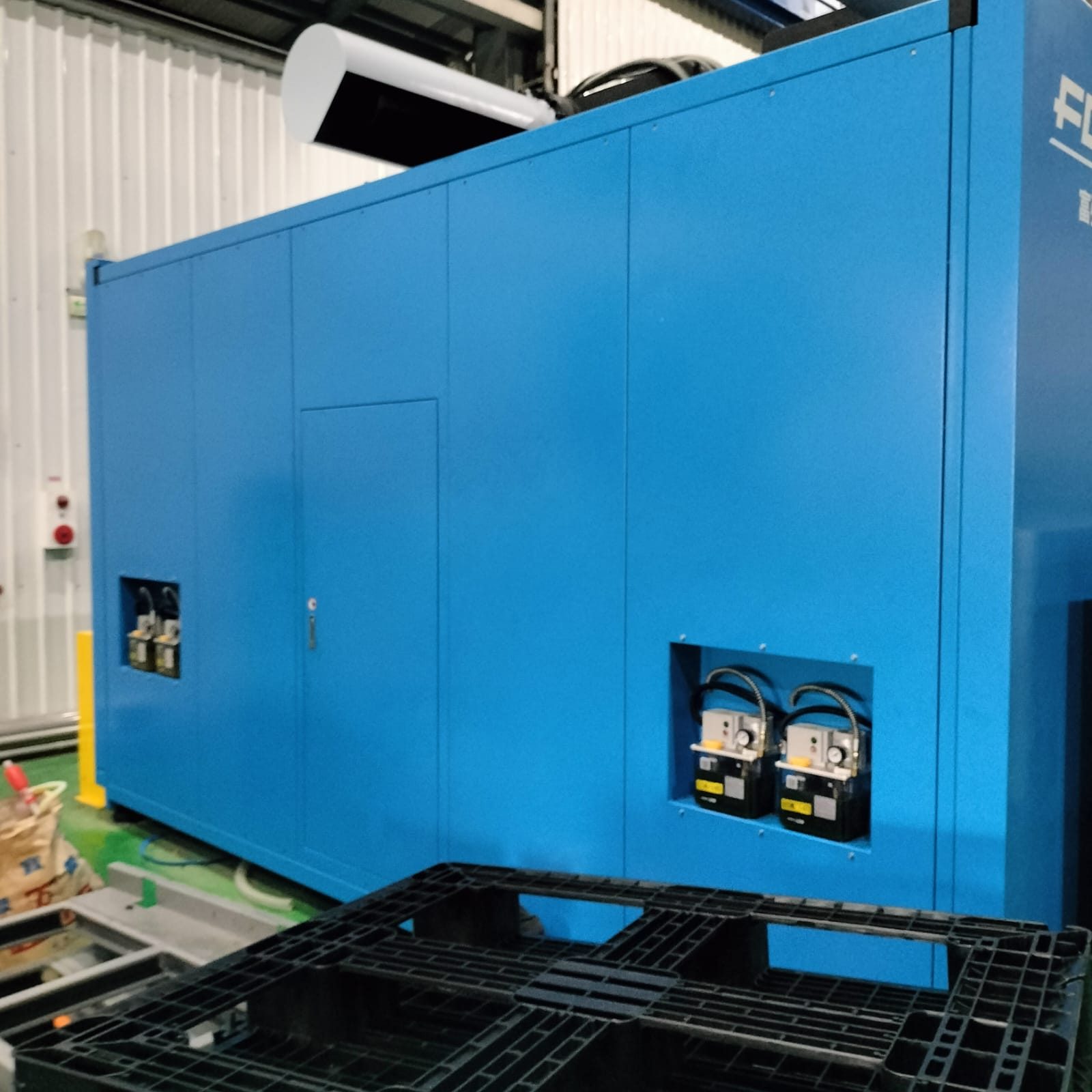
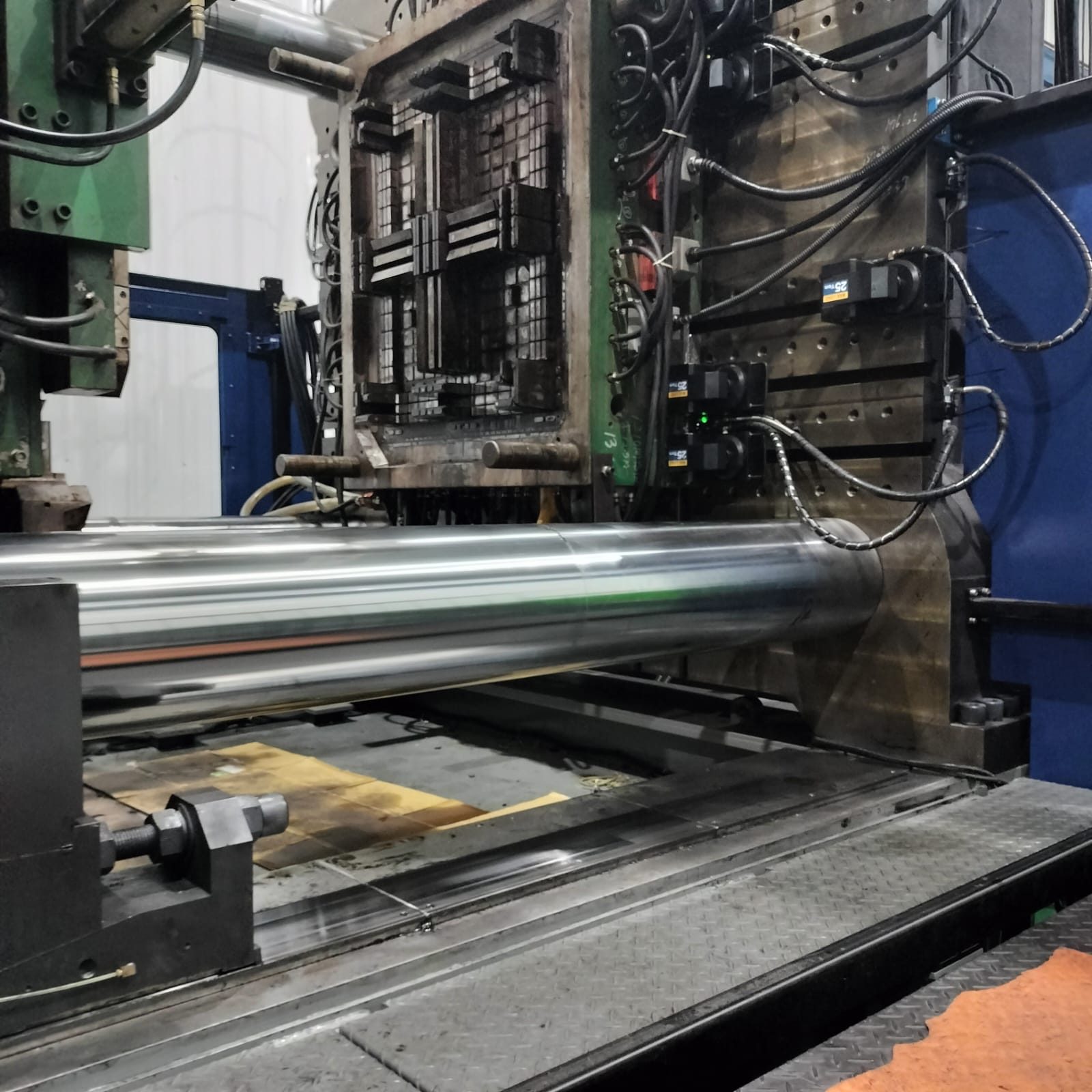
machinery life, low maintenance CAPEX
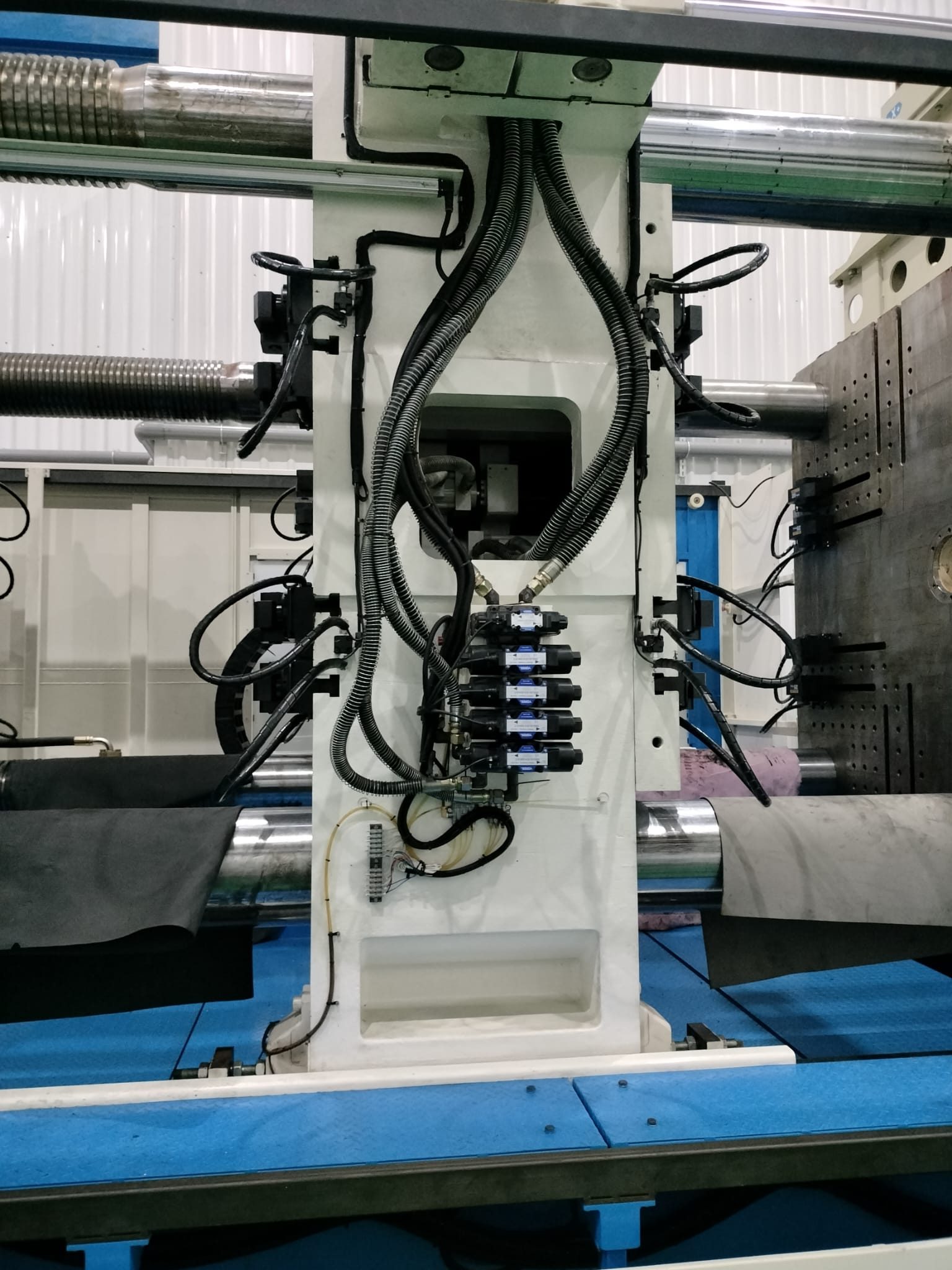
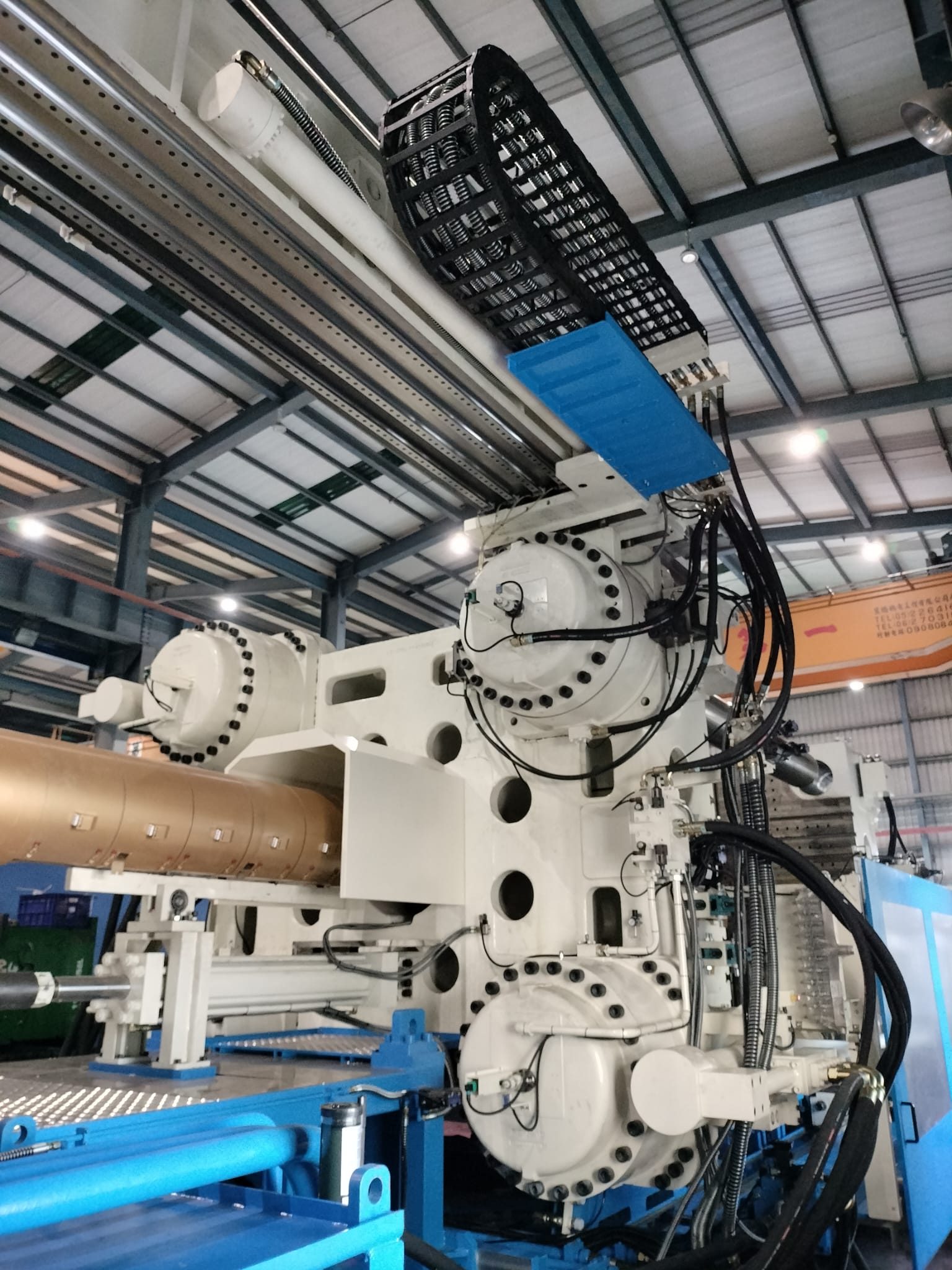
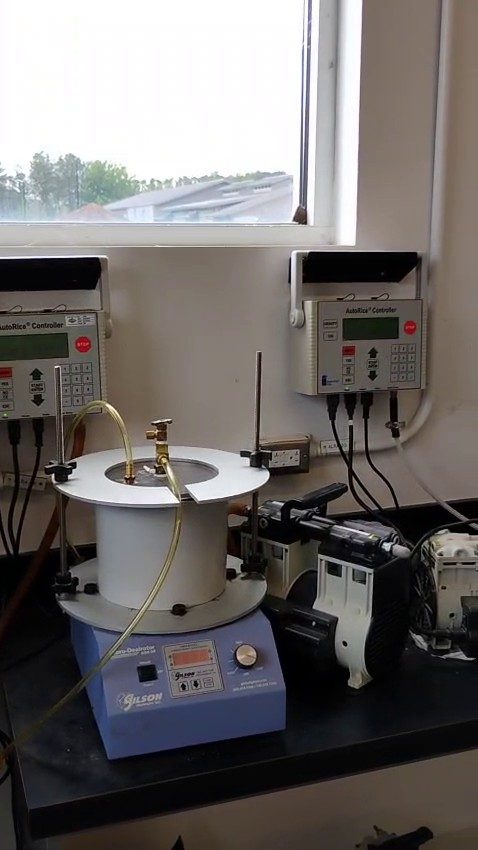
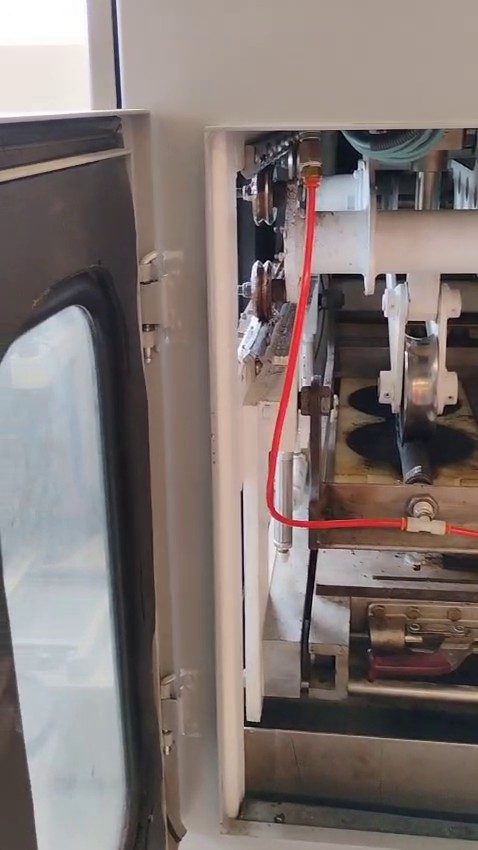
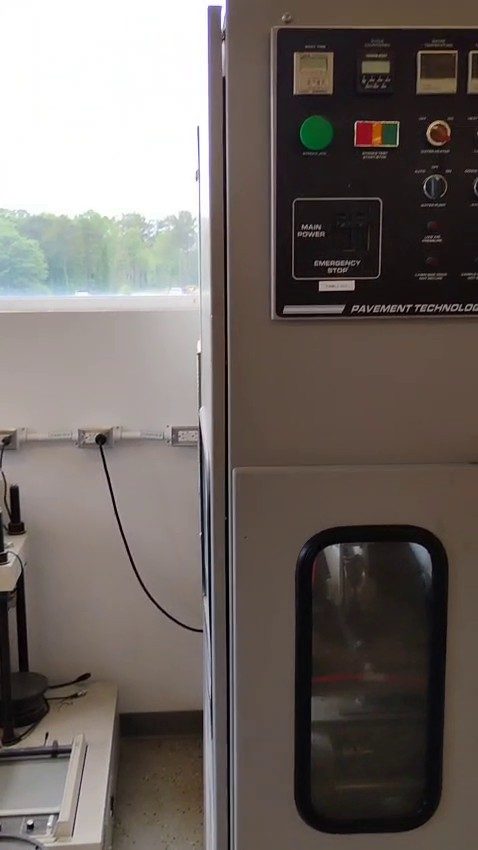
Industrial clients certify pallets before integration. Our in-house laboratory validates every batch — load, impact, dimensional accuracy and material consistency — reducing qualification risk and onboarding time. Tap any unit to watch it run.
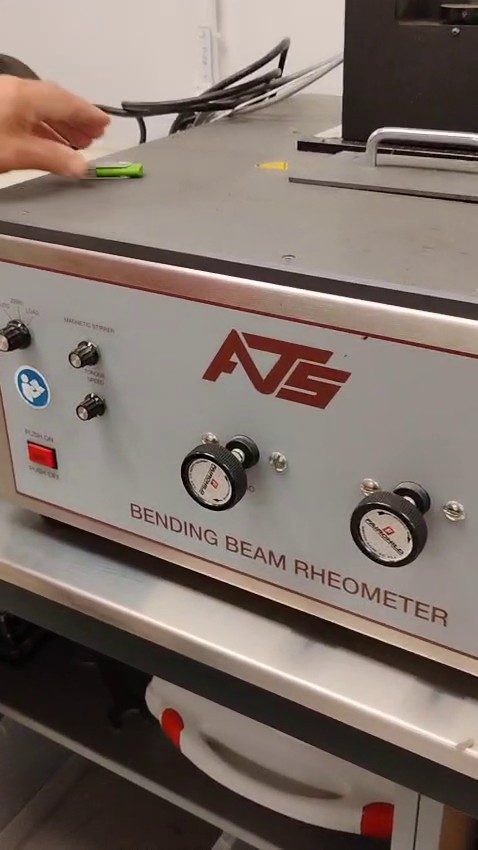
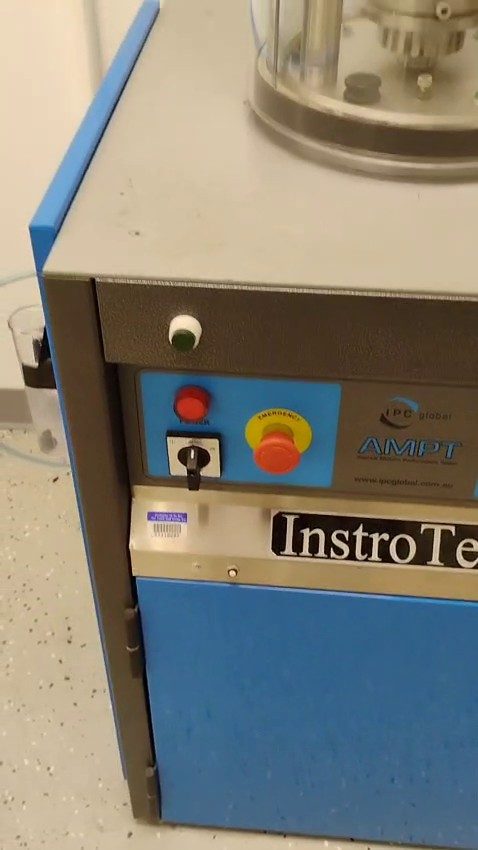
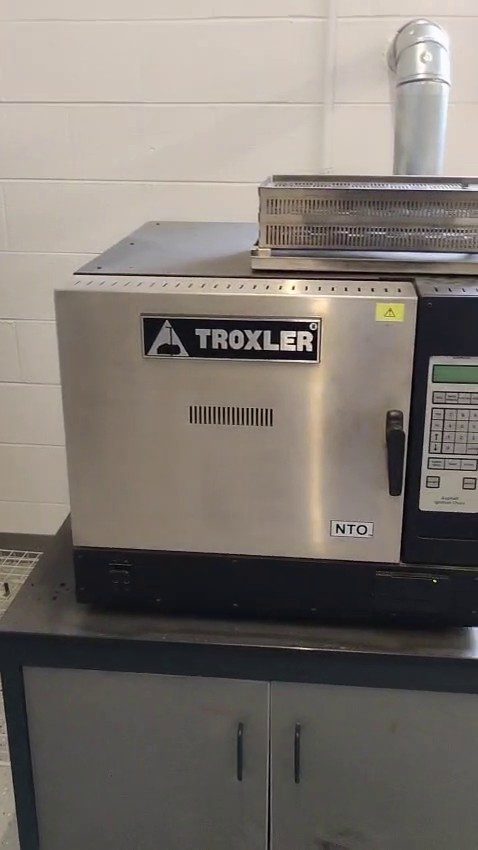
A modular family built on standard global footprints. Indicative configurations below — final mechanical ratings issued per product data sheet.
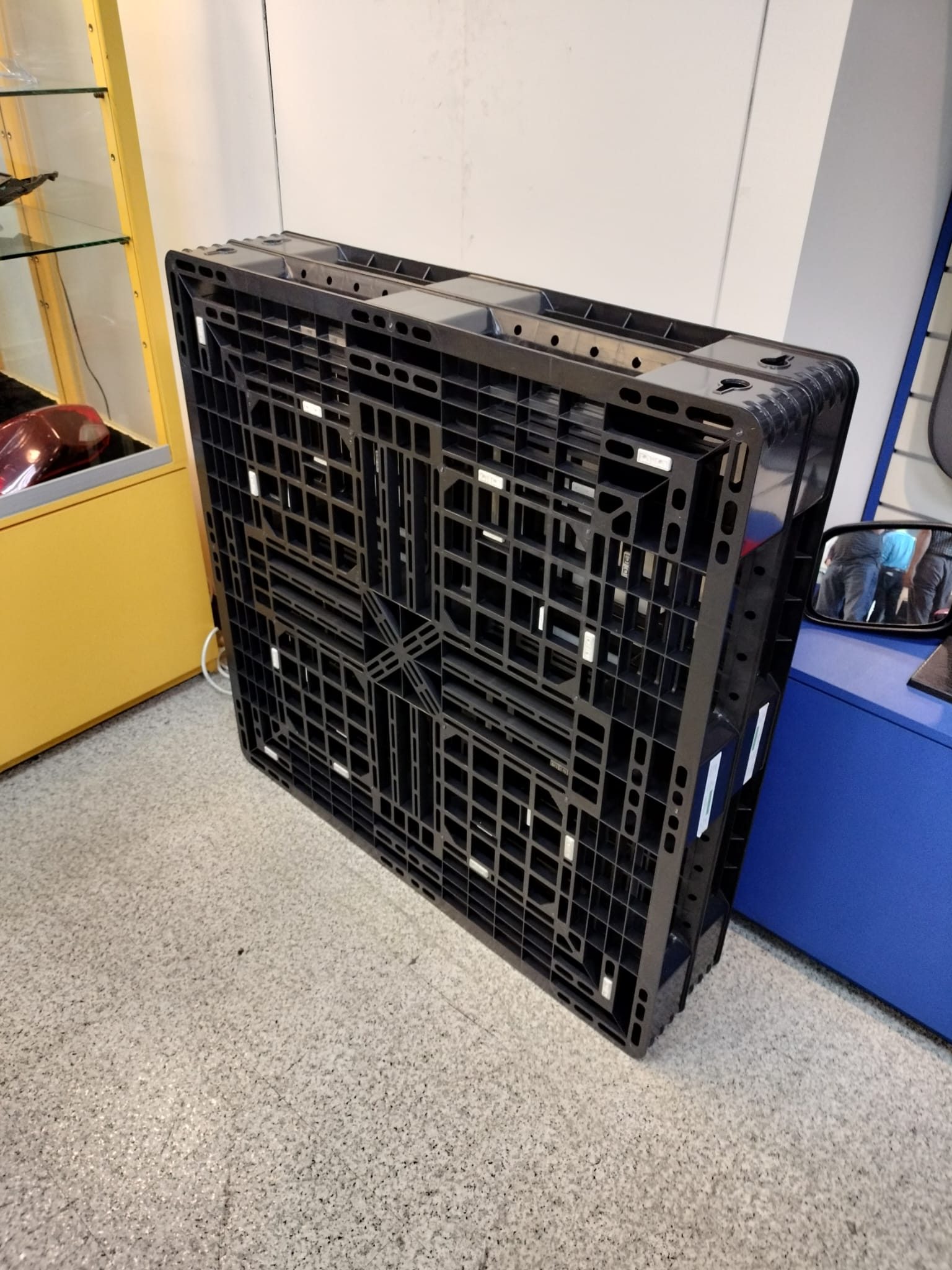 DF / DECK
RIBBED COMPOSITE DECK — 4-WAY ENTRY
DF / DECK
RIBBED COMPOSITE DECK — 4-WAY ENTRY
Hygienic and washable. Immune to moisture, rot and infestation. Exempt from ISPM-15 heat treatment for export. Consistent tare weight for predictable freight. One material, fully recyclable at end of life.
General-purpose distribution pallet for FMCG, retail and warehousing. Nestable, light handling, 4-way entry.
Reinforced structure with optional steel inserts for beam racking and automated storage at higher dynamic loads.
Euro-footprint, lightweight one-way and multi-trip export pallet. No fumigation, no heat treatment, ISPM-15 exempt.
Smooth closed-deck surface for food, pharma and cleanroom. Fully washable, no crevices, no contamination traps.
Duraflex isn't an offset story — it's a circular industrial process with revenue from day one. Every pallet diverts waste, displaces virgin polymer, and helps customers report real Scope 3 reductions in a high-volume procurement line.
MAJOR WASTE STREAMS DIVERTED
Plastic waste and end-of-life tire rubber pulled from landfill, incineration and informal disposal — at full 300,000-unit capacity.
CUSTOMER EMISSIONS ENABLEMENT
Recycled-content procurement and measurable waste diversion strengthen customers' sustainability disclosures and science-based targets.
TIMBER SOURCED
No deforestation pressure versus wood pallets, with a longer usable lifecycle that lowers embedded carbon per shipment.
SFDR / EU TAXONOMY RELEVANCE
Positioned within circular-economy manufacturing and resource-efficiency themes for climate-aligned fund mandates.
AUDITABLE REPORTING
Tons of plastic and rubber diverted, recycled-content %, lifecycle duration and avoided emissions vs. a virgin-plastic baseline.
SOCIAL & GOVERNANCE
Domestic manufacturing capacity, responsible waste utilization, transparent sourcing and industrial-grade quality control.
Pallets are non-discretionary supply-chain infrastructure with recurring replacement demand and low obsolescence risk. Duraflex needs a vanishingly small slice of the market to run at full capacity.
Duraflex is raising USD 6.5M to commission its first 300,000-unit line — a capital-efficient, asset-backed platform with infrastructure-style stability and private-equity-style returns.
Capital is expenditure-focused and asset-backed: long-life industrial equipment with resale value, full commissioning of the first production line, and a working-capital buffer. Year-1 revenue potential ~$16.5M; ~63% EBITDA-to-CAPEX ratio.
Multiple credible buyers: global pallet manufacturers, logistics-infrastructure groups, industrial PE roll-ups, and ESG / infrastructure funds. Industrial comps trade 6x–10x EBITDA; even a conservative 6x keeps IRR ~49%.
Downside stress case (80% utilization, 22% margin, 6x exit) still projects ~35–40% IRR.
Confidentiality notice — figures shown are indicative base-case projections from the Confidential Investment Memorandum (v1.0, 2026) and are provided for discussion purposes only. They do not constitute an offer to sell securities. Forward-looking projections involve risk and may differ materially from actual results.
Procurement teams, logistics operators and institutional investors — start the conversation. Tell us what you move and we'll respond with data sheets, samples or the full memorandum.
Update these contact details and address with your live company information before publishing.